Unravelling the mysteries of forensic science
Welcome to The Science of Evidence, where we explore the fascinating world of forensics. On this page, discover what forensic science truly is, how it differs from common misconceptions, and why it plays such a vital role in our world today.
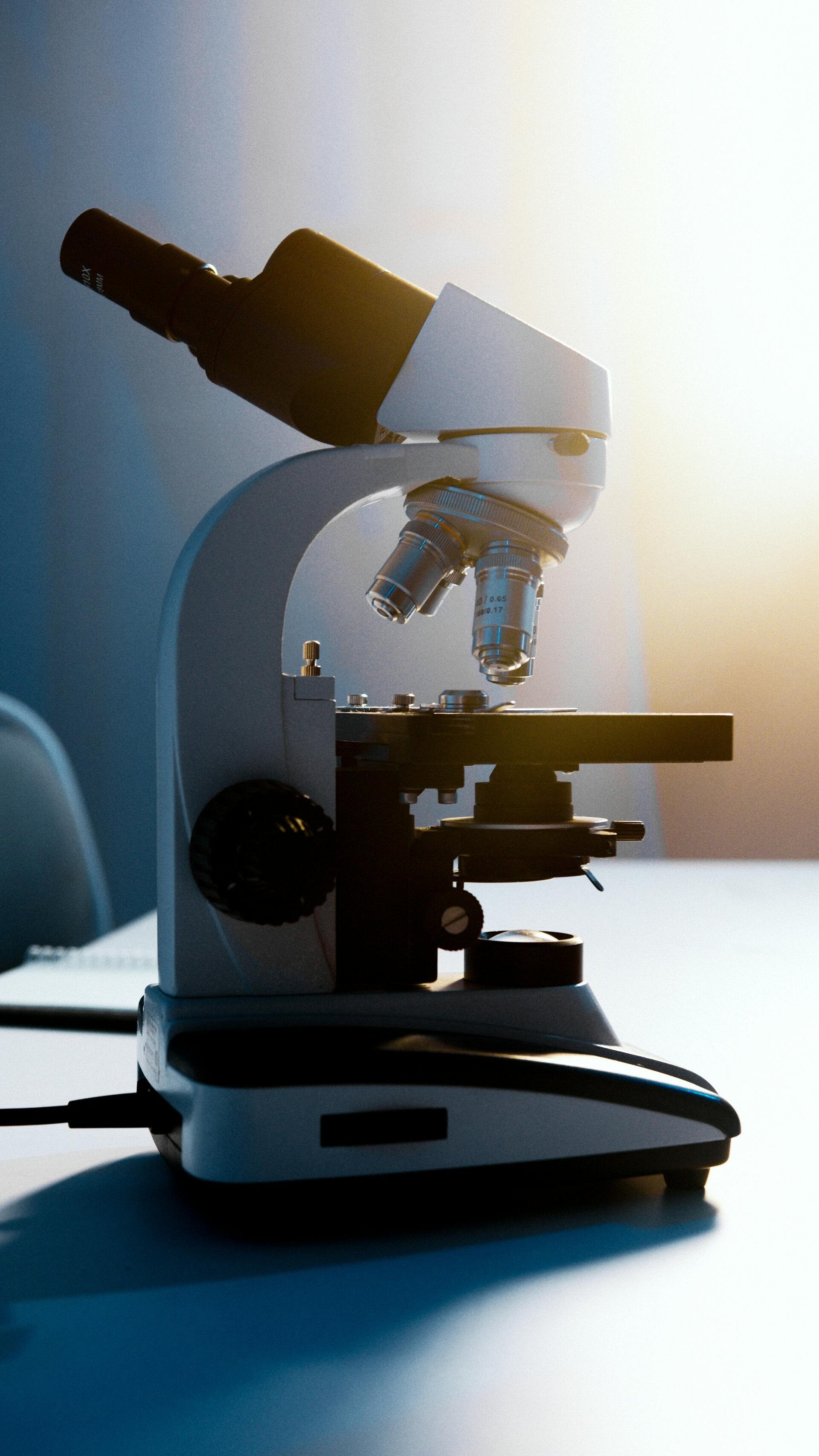
What is DNA?
DNA, or deoxyribonucleic acid, is the genetic material found in almost every cell of the human body. It acts as a set of instructions that tells our bodies how to grow, develop, and function. DNA carries information passed down from our parents and determines many of our characteristics, such as eye colour, hair colour, and blood type. Because DNA contains so much information about a person, it has become one of the most important tools used in modern forensic science. Scientists can examine DNA to identify individuals, establish family relationships, and solve crimes. Since DNA remains the same throughout a person's life, it provides a reliable way to connect people to evidence found at crime scenes.

How every person's DNA is unique
Every person's DNA is unique, except for identical twins. Although humans share approximately 99.9% of their DNA, the remaining differences are enough to distinguish one individual from another. These differences create a genetic profile that is specific to each person. This unique genetic blueprint is what forensic scientists use to link individuals to crime scenes, identify remains, and establish paternity. Understanding this fundamental uniqueness is key to appreciating the power and precision of DNA evidence in forensic investigations.

How does forensic science work?
Forensic science works by applying scientific principles and techniques to legal investigations. When evidence is found at a crime scene, forensic scientists collect, preserve, and analyze it using a variety of specialized methods. This can include DNA analysis, fingerprint identification, ballistic examination, toxicology, and more. The goal is to uncover facts, identify suspects, and provide objective evidence that can be used in court. It involves careful observation, precise experimentation, and meticulous documentation to ensure the integrity and reliability of findings. This rigorous process helps in understanding what happened, how it happened, and who was involved.
Create Your Own Website With Webador